Walking the Talk: GreenroomVoice at the First European Outdoor Week
Mai 14-19.2026
Riva del Garda in mid-May. A new trade show format, a new crowd, and for GreenroomVoice, a new chapter in a journey that started over fifteen years ago with a simple belief: that the outdoor industry needs dedicated spaces to have the conversations that matter.
The first European Outdoor Week felt like exactly that kind of moment. Not a relaunch so much as a reorientation but a chance to ask different questions, in a different place, with a different audience. And to do it, literally, on the move.
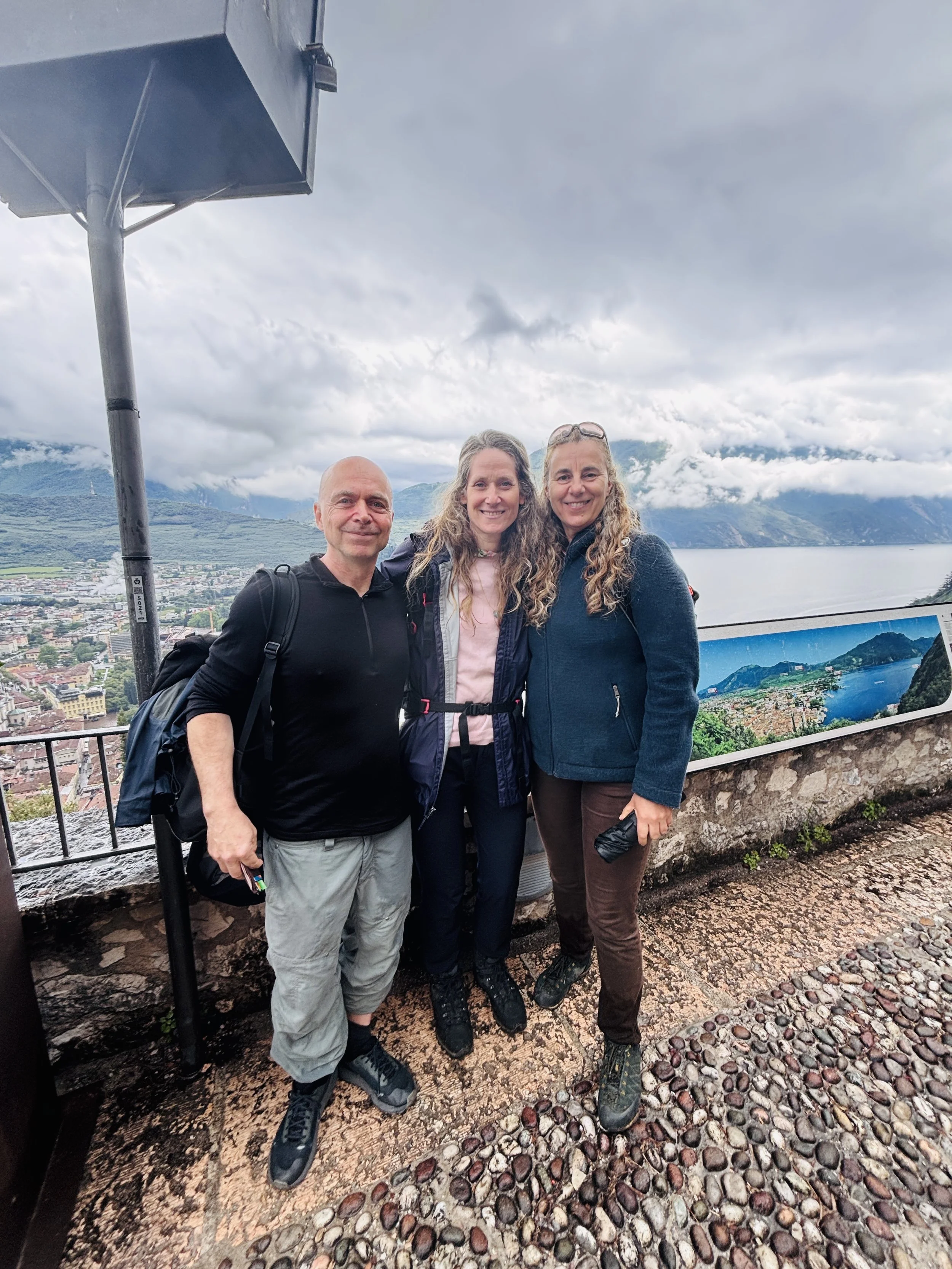
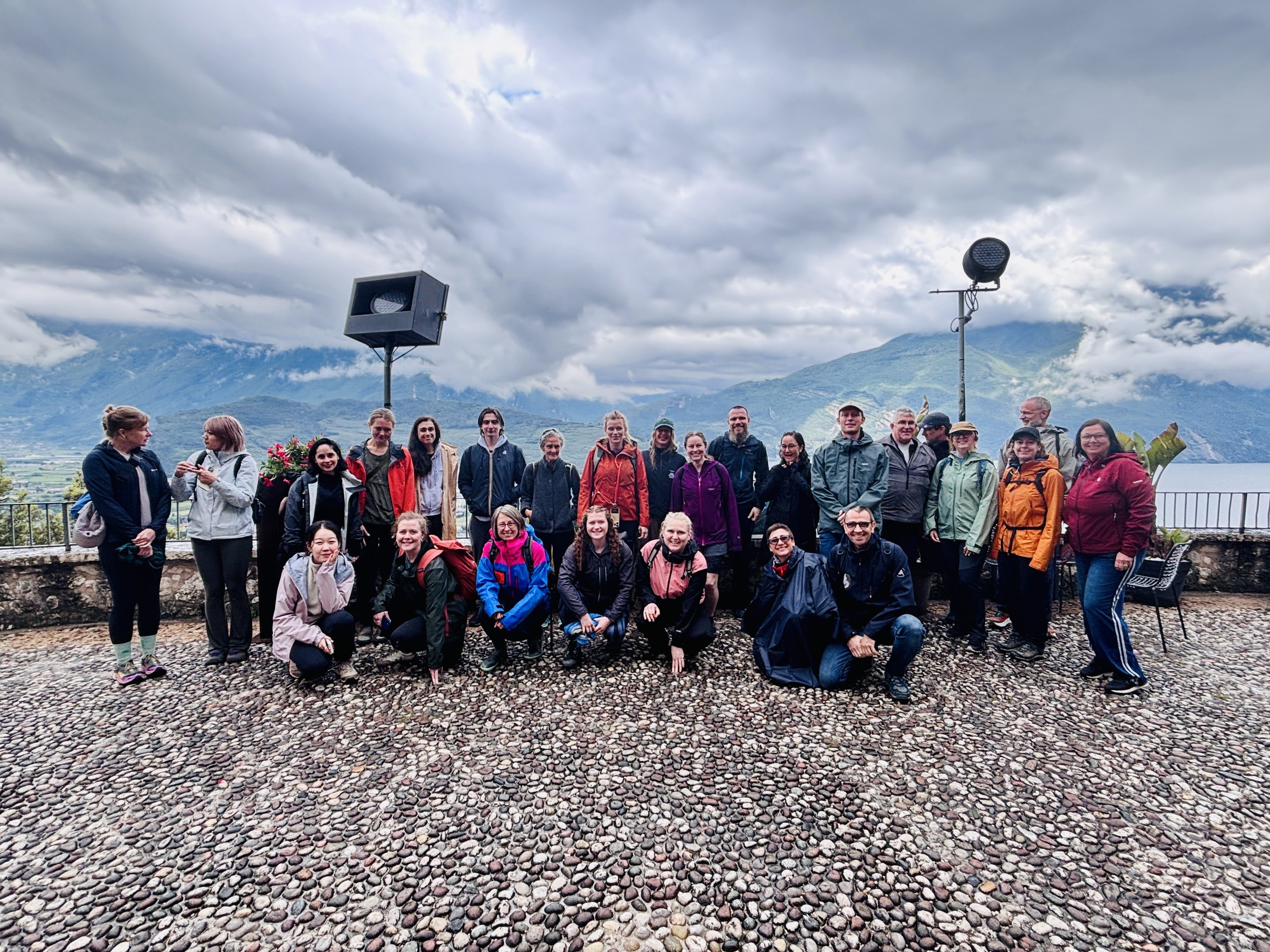
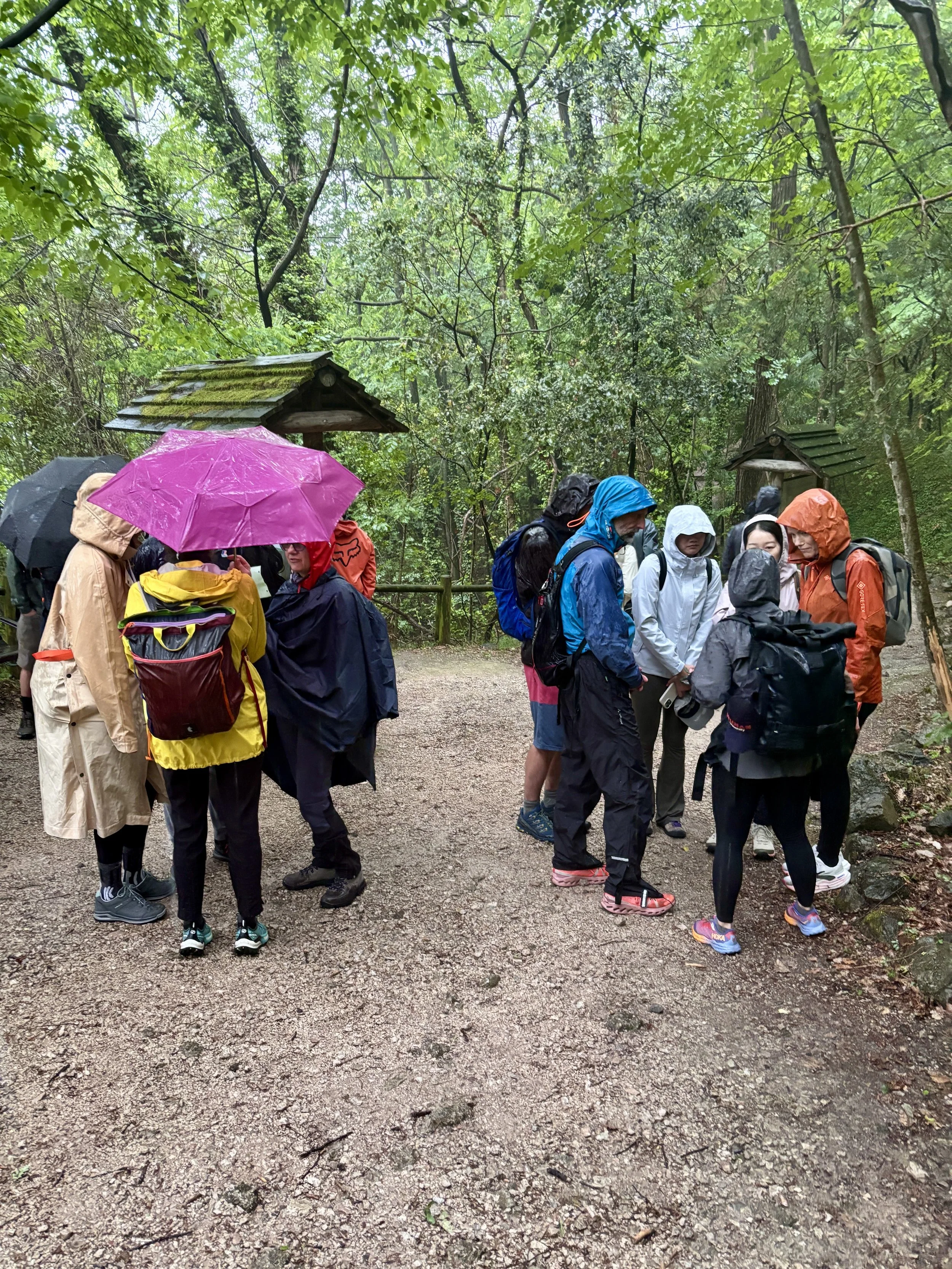
Together with Suston Magazine, we co-hosted a Hike & Talk that brought more than thirty industry professionals — brands, retailers, communicators and consultancies — up through the steep forest landscape above Lake Garda, in pouring rain, with big smiles.
Three groups. Three questions. And a shared recognition, by the time we gathered in a restaurant nestled into the iconic rockface above the valley, that the collective intelligence in that room was something worth making more space for.
Under Pressure: Does Sustainability Sell?
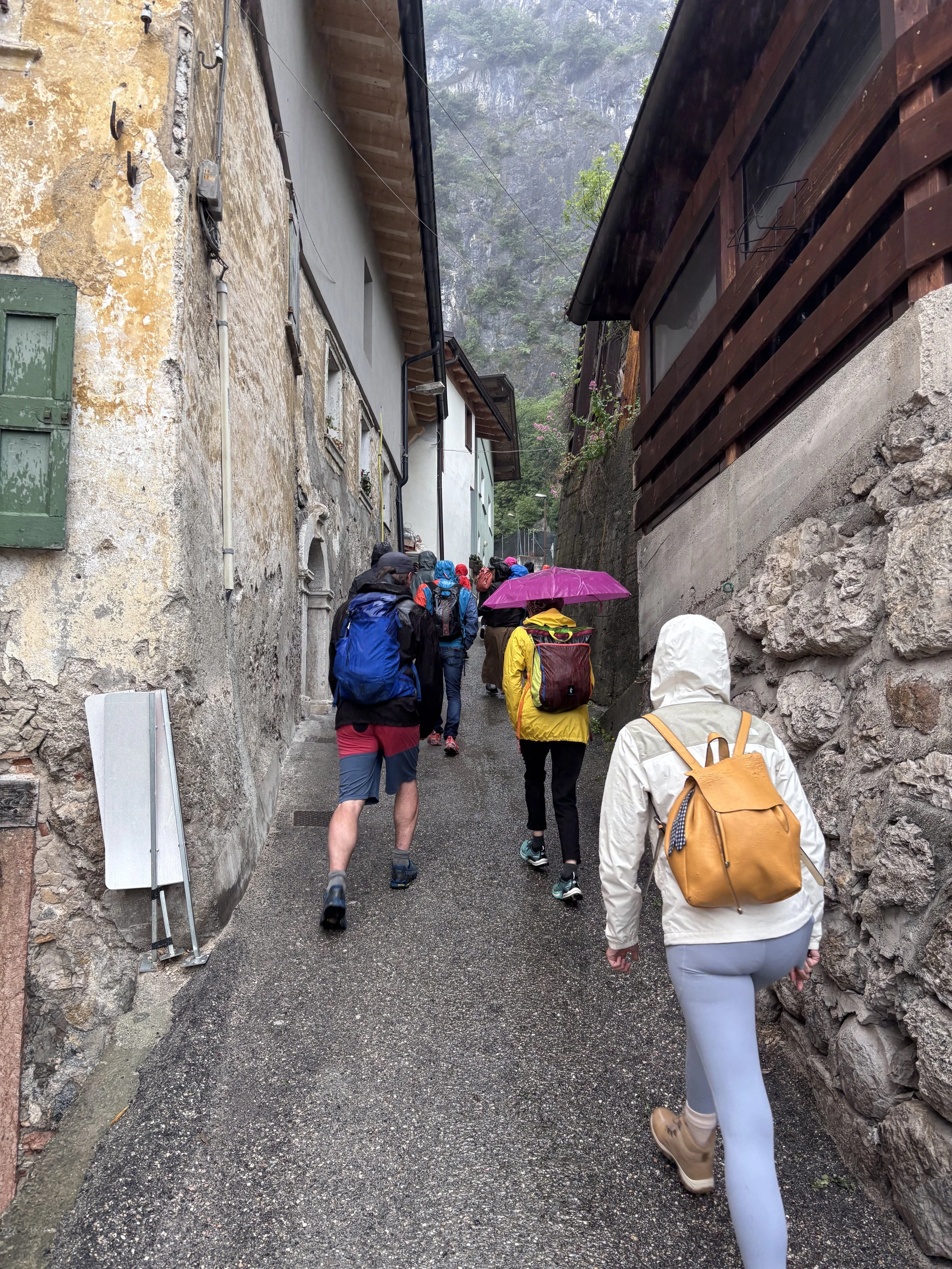
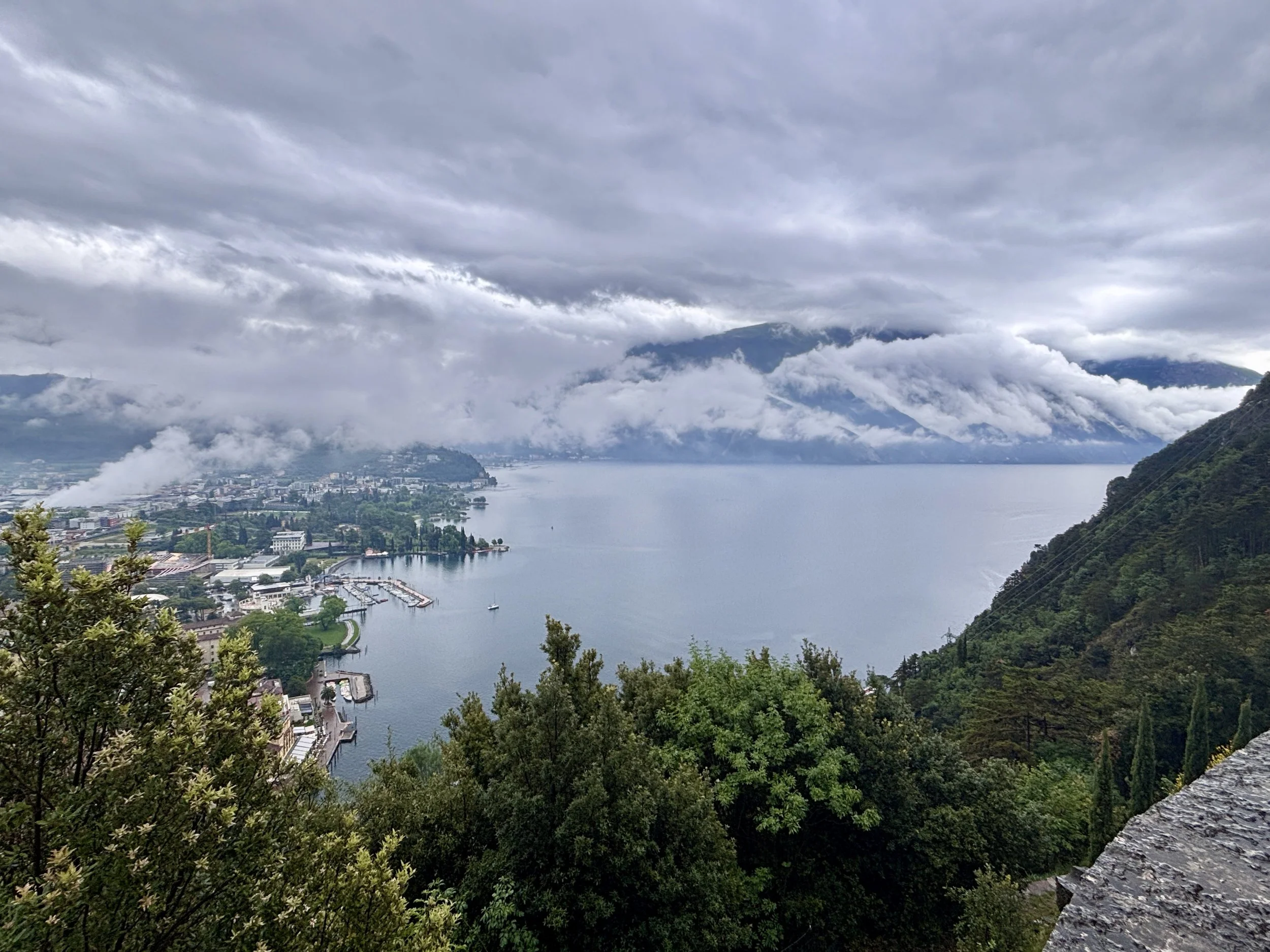
Retailers often claim that sustainability doesn't sell. But is that observation driven by evidence, or by habit? In pouring rain, with big smiles, we walked and talked our way up through the landscape above Lake Garda, eventually gathering in a restaurant nestled into the iconic rockface that dominates the valley of Riva. The setting was not incidental. It was the point.
What emerged from this conversation led by Cira Riedel from GreenroomVoice was less a set of answers and more a reframing of the question itself.
The gap between aspiration and action
The starting point was uncomfortable but familiar. Fredrik Ekström, a consumer-centric brand marketing strategist from Sweden, puts it plainly: 78% of people globally believe we are heading for environmental disaster, yet 71% feel they are already doing everything they can. That gap, between aspiration and action, is precisely where brands and retailers either win or lose.
The instinct is often to communicate harder, label more clearly, certify more rigorously. But the group pushed back on this. The environment, it turns out, is not the most persuasive argument. But community, economics, wellbeing and self-improvement is. Sustainability issues are interrelated and ever-present, but the conversation that moves people is rarely the one that leads with the problem. It is the one that leads with something they already care about, and allows a nature-centric perspective to become the natural path to every solution.
This is a fundamental reorientation of how the industry thinks about its own value proposition.
Nature as the bridge
Perhaps the most generative thread of the conversation was the one that reframed sustainability not as a category or a label, but as a lived experience, and the outdoor industry as uniquely positioned to make that connection real.
The logic is straightforward: the more time people spend in nature, the stronger their desire to protect it. The customer who buys hiking boots, camps on weekends, and explores trails is already halfway there. The question is whether the industry is activating that connection, or simply selling the gear and moving on.
Several ideas surfaced that pointed towards a more deliberate approach. Iconic brands have an outsized ability to shape what is considered desirable, particularly in markets like Asia where brand status carries enormous cultural weight. That influence could be redirected: not just towards performance and adrenaline, but towards slowness, reflection, care and connection. The downhill story is thrilling. But the uphill story, quiet, effortful, contemplative, is where nature actually gets under your skin.
Signal vs substance, and who you are actually talking to
A recurring theme across the walk was the gap between signalling sustainability and actually delivering it. Eco factors, the group noted, are not in the top four reasons a consumer is first attracted to a brand. But they are one of the most powerful drivers of loyalty, of repeat purchase, and of long-term relationship. The mistake many brands make is spending marketing budget trying to attract new consumers with sustainability messaging, when the real power of that messaging is in deepening the relationship with people who already trust you.
This points to a “readiness gap” as Fredrik Ekström calls it. Fewer than one in ten consumers are what he cals “Dedicated Pioneers”, people who actively seek out and reward sustainability leadership. The largest group, nearly four in ten, are “Eco-Floaters”: emotionally invested in the idea of sustainability, but behaviourally lost when it comes to acting on it. The industry has largely been communicating as if everyone is a Pioneer. The opportunity (and the challenge) is to meet the Eco-Floaters where they are.
And then there is green hushing: the growing tendency of brands to say less about their sustainability work, not more, out of fear of scrutiny or accusation. In mainstream media, only bad news makes headlines. In the outdoor specialist segment, the group agreed, there is both a need and a responsibility to talk up the good. Silence is not safety. It is a missed opportunity to shift the culture.
This led to what one participant called the Trojan Horse idea: outdoor enthusiasts exist in every segment of society. If the outdoor community can inspire each other, and then carry that nature-connection outward into their broader networks, workplaces, families, neighbourhoods, the ripple effect is far larger than any single campaign.
The retail environment itself was identified as an underused bridge. Retailers could offer local hikes as community events, recommend trails based on where their stores are located, and use the repair and care conversation as a way to build long-term relationships with customers who return not just to buy, but to belong.
And at the heart of all of it: durability. A product that is well-made, honestly communicated, easy to repair and built to last does not just reduce environmental impact. It builds trust. It deepens the customer relationship. It turns a transaction into a story the customer keeps telling, to themselves and to others.
Durability + More Experiences = Consumer Engagement + Trust. Simple.
2. Future-proof your story: Speak up in a regulated era
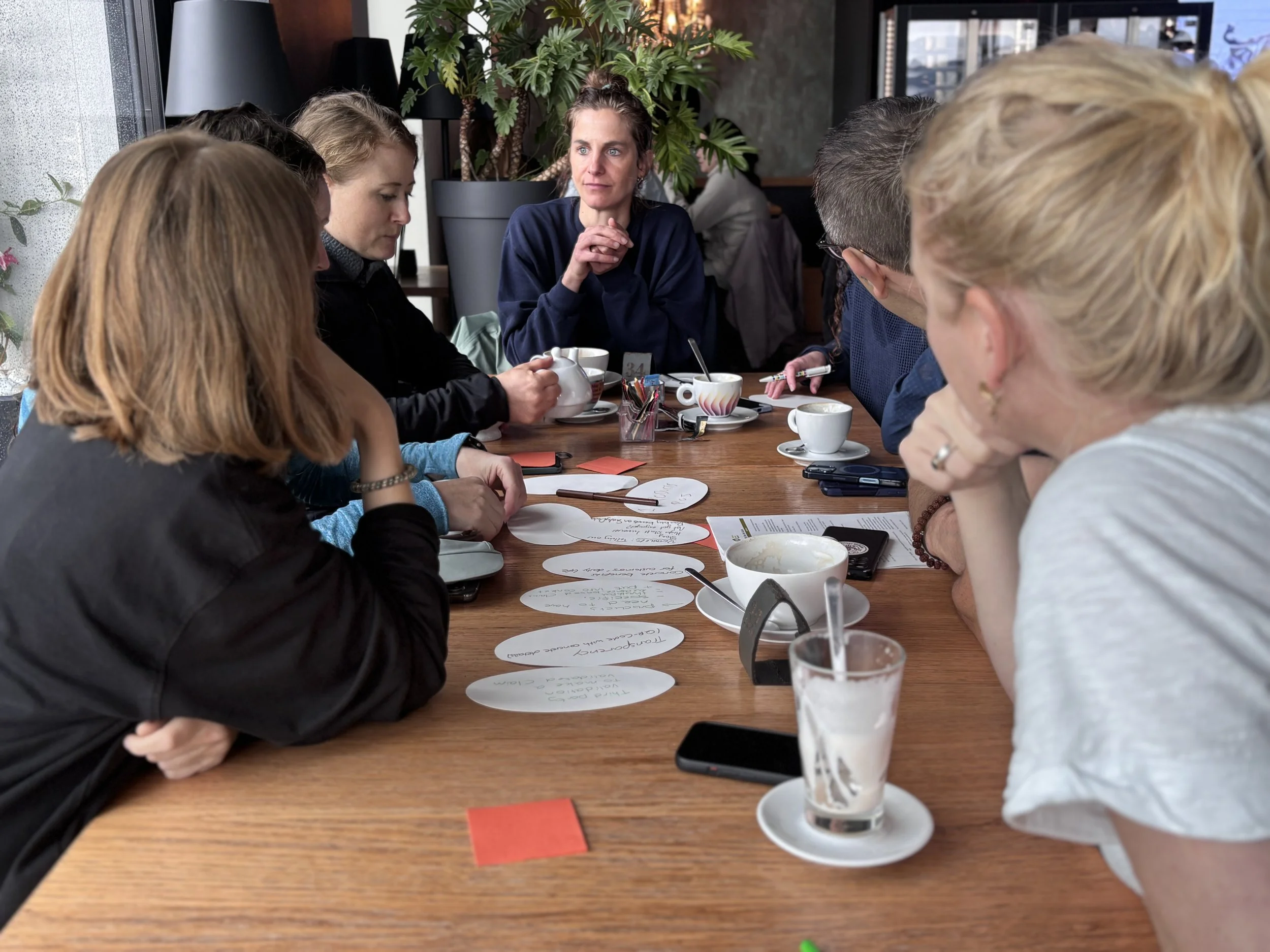
The group led by Gabriel Arthur was asked to explore this question: As new EU legislation reshapes sustainability claims, some brands are choosing silence. But does greenhushing protect credibility – or undermine trust and engagement?
“The question I asked had the EU’s Empowering Consumers directive as a backdrop. It was clear that this legislation, coming into effect soon, was a headache for many in the group. What – if anything – can be claimed? We divided into three sub-groups, focusing on products and point-of-sales communications; stakeholders; and storytelling, goals, and visions,” Gabriel shares.
Products and point-of-sales comms – keep it simple
“No doubt this is a tricky area – the discussion meandered with no clear answers in sight.
The use of QR codes on hangtags was questioned. How many buyers actually use them? QR codes might be needed for compliance, but relying on them for communication may be a waste of resources.
LCA information was not a favorite either. Buyers need a high level of knowledge to understand it.
Approved – and well-known – certifications might be the easiest way to claim something on product level. For some certifications used in the outdoor industry, this means stepping up their own communication.”
Stakeholders – if they believe you, others will
“Creating a foundation that helps stakeholders understand and feel empowered can be a steppingstone for further communication. Stakeholders such as employees, owners, NGOs, and partners have different needs – but if they believe you, others will.
How? Tailor your communication depending on who you are addressing, and set priorities. Which stakeholders are most important? Collecting benchmarks from other brands is always useful. And education is key to empowerment – both internally and externally.”
Goals, visions, and stories – build trust step by step
“We discussed research showing that many people today distrust companies, politicians, and even scientists. On the other hand, many listen to people they know – family, friends, colleagues. How can an outdoor company spread its messages ‘word by mouth’? Getting involved in – and supporting – communities can be one way.
Also on the personal level: When outdoor retailers scrap their own eco-labels, their staff becomes even more important. Education is empowering.
We also said that simplicity and consistency are key when a company wants to tell its bigger story. Make a long-term communication plan – and stick to it!”
3. Listen and from spread the messages the wild
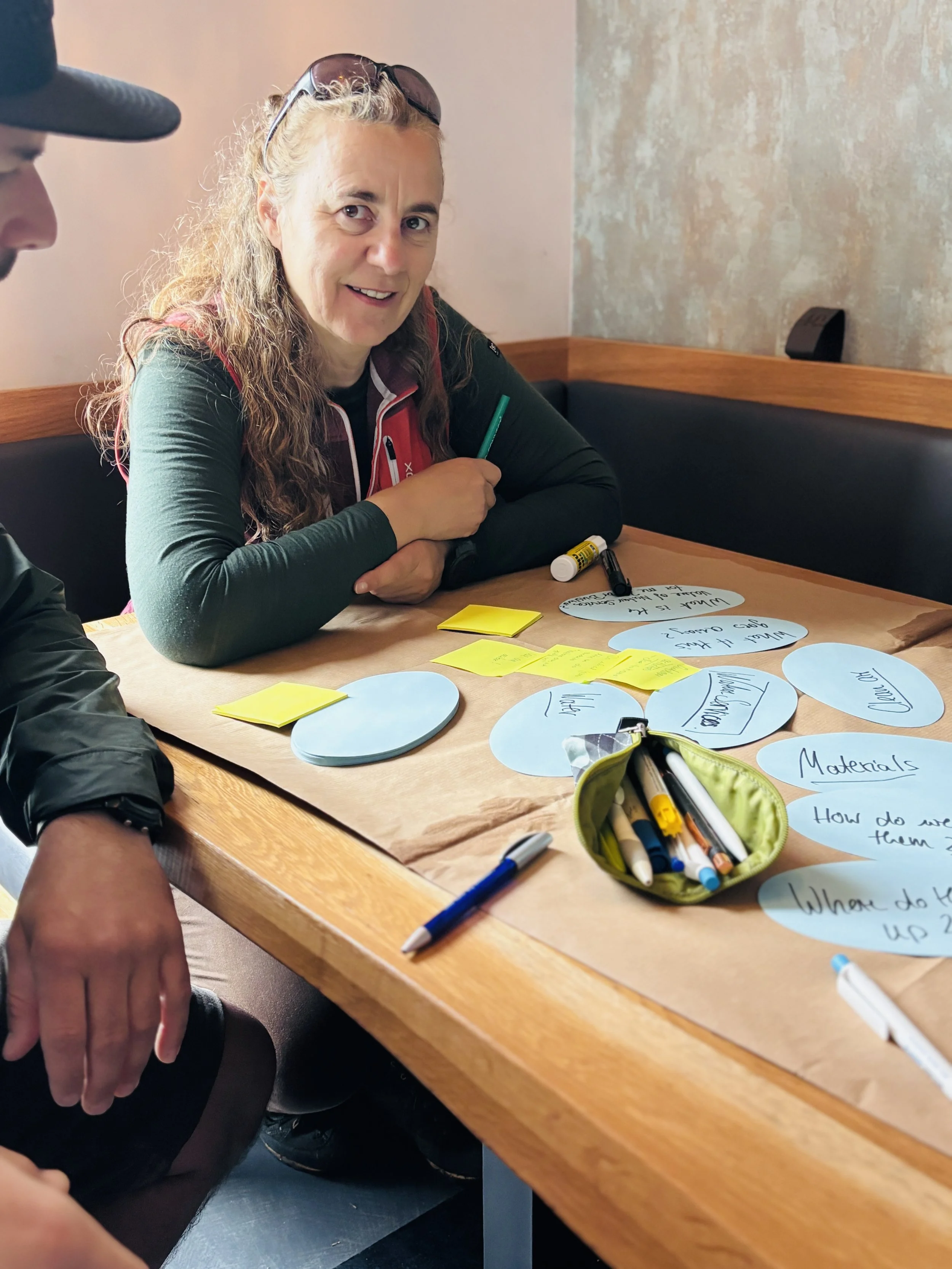
The third conversation of the day with Anna Rodewald took a more personal turn.
While the other sessions wrestled with strategy and communication, this one asked a simpler and perhaps more fundamental question: how do we make sure that the outdoor industry's connection to nature is more than just a tagline?
The answers that emerged were quietly radical in their simplicity.
Make it less epic.
This came up more than once. The idea that outdoor culture has built itself around the extraordinary: the summit, the extreme descent, the feat of endurance. But for most people, nature is not a performance. It is a walk. It is a slow afternoon. It is keeping it mellow, doing what makes you happy, experiencing nature at your own level, not for anyone else, not for the feed, but for yourself. The industry's obsession with the epic may be its biggest barrier to reaching the people who need nature most.
Go outside with others.
Share your love for the outdoors. Bring people along on adventures, not as a brand ambassador, not as a content creator, but as a friend. Speak about why nature matters. Plan time outside with others. The ripple effect of one person sharing that connection genuinely and personally is far more powerful than any campaign.
Rethink what we are optimising for.
One of the sharpest observations of the session reframed the entire economic logic of the industry: the shift we need is not from "how do we produce as much as possible at the lowest cost" to some another more future-proof version of the same question: it is to "how do we produce maximum prosperity from our resources." That single reframe changes everything: what you make, how you make it, how long it lasts, and what it means. Related to this was the idea of moving from taxing work to taxing resources at the point of consumption (a reference to Lagom economics), the principle of taking only what you need and no more. A concept, perhaps, that the outdoor industry, with its roots in simplicity, endurance and respect for the wild, is better placed than most to understand and embrace.
And underneath all of it: the value of ecosystem services.
Not as an abstract concept, but as something felt personally, for me, in my life, and understood strategically: for business, for the long term. The outdoor industry sits at the intersection of both. Its customers feel it on every trail. Its business models depend on it in ways that are only beginning to be fully reckoned with.
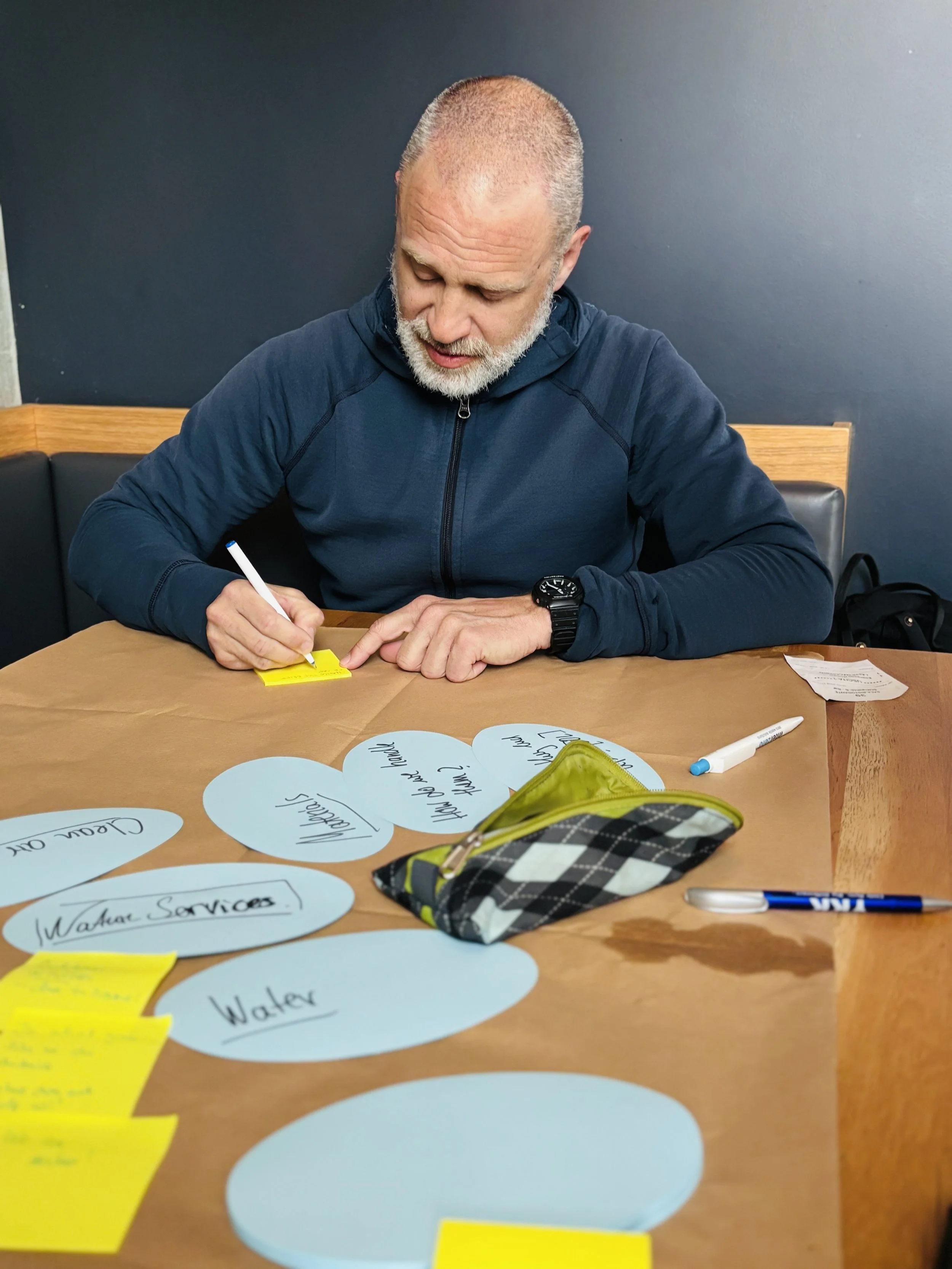
The session ended not with conclusions but with a shared recognition: that authentic communication about nature starts with authentic experience of it. You cannot speak credibly about what you do not feel. And the best way to make others feel it is not to tell them, it is to take them outside.
What the walk concluded
No single answer emerged from the rain-soaked hillside above Riva. But a direction did. Sustainability sells: when it is embedded in something people already love, when it is honest rather than performative, when it deepens rather than interrupts the relationship between a person and the natural world they came to the outdoor industry to access in the first place.
The outdoor industry and the people within it should be the examples that inspire others to love, connect with and care for nature. Not because it is a marketing strategy. Because it is the most credible thing we can be.
And perhaps the best proof of that was the walk itself. Nobody asked to go home when the rain started. They just kept talking.
What this means for us
The Hike & Talk confirmed something we have long believed: that the format of a conversation shapes its quality as much as the content. Walking together, in nature, without a stage or a microphone, produces a different kind of thinking. It produces honesty. And honesty is what the industry needs most right now.
We are also conscious that these conversations happened within a community that is already largely convinced. The bigger challenge — and the one we are most focused on — is how to bring this quality of dialogue to the audiences who are not yet in the room. Retailers. Buyers. The broader trade show floor. That is where the Sustainability Hub comes in, and where we will keep directing our energy.
The topics have matured. Supply chain transparency, EU legislation, biodiversity, human rights due diligence — these are no longer niche sustainability conversations. They are business-critical. They just do not always need to carry the sustainability label to land with the people who most need to hear them.
Nobody asked to go home when the rain started. They just kept talking.
That, for us, is the point.