Time is running out: a critical moment for climate action
The climate crisis has reached a tipping point, with 2024 marking the first year exceeding the 1.5°C threshold. The need for urgent, unified global action has never been clearer. Rising temperatures, extreme weather, and their devastating impacts on ecosystems and livelihoods demand immediate solutions (1).
COP29 – from promises to actions
At COP29 in Baku, Azerbaijan, significant strides were made in international climate policy. Key achievements included the establishment of robust standards for a centralized carbon market under the UN framework, aimed at improving transparency and integrity in carbon credit trading, and the launch of the COP29 Hydrogen Declaration, which commits to expanding renewable and low-carbon hydrogen production as part of the global energy transition. However, significant challenges persisted, particularly in climate finance. Developing nations voiced frustration over inadequate commitments from developed countries, both in scaling up the New Collective Quantified Goal (NCQG) and ensuring sufficient contributions to the Loss and Damage Fund to address climate-induced catastrophes. The conference also drew criticism for the notably low participation of industrialized nations, which weakened efforts to advance global cooperation and ambition.
This underscores the pressing need for stronger collaboration. Our industry must embrace innovation to accelerate progress and align with the 1.5°C target, advancing decisively and consistently to secure a sustainable future for everyone.
The power of measurement – tools to drive change
One of the key challenges in achieving meaningful progress is the ability to measure and track impact. Tools that assess carbon footprints, supply chain sustainability, and resource efficiency are vital to ensuring accountability and driving improvement. These technologies empower everyone—consumers, brands, and service providers alike—to make informed decisions and contribute to a coordinated climate movement. By understanding and measuring impact, individuals and organizations can align their actions with global climate goals.
Future winners and losers in the climate economy
In the evolving landscape of climate action, organizations that proactively integrate sustainability into their core strategies are poised to lead. The Exponential Roadmap Initiative emphasizes that businesses adopting circular models, reducing emissions, and investing in green technologies will not only mitigate environmental risks but also unlock new economic opportunities. Conversely, those neglecting these imperatives may face regulatory challenges, reputational damage, and financial setbacks. As the global economy shifts towards sustainability, the distinction between future winners and losers will hinge on the commitment to and execution of robust climate strategies (9).
A collective responsibility
The transition to a sustainable future requires everyone’s participation. Consumers drive demand for sustainable products and services, brands set standards for innovation and responsibility, and service providers deliver practical solutions that make sustainability both affordable and economically beneficial. Together, we can form a powerful, coordinated movement that can turn ambition into action. Collaboration, transparency, and shared responsibility are essential to delivering systemic change.
Solutions for Action at ISPO 2024
The task ahead is daunting, but actionable solutions already exist. At ISPO 2024, the Sustainability Hub will showcase eight transformative approaches designed to empower individuals, businesses, and policymakers to take meaningful steps forward. For anyone ready to act, these solutions offer tools, insights, and pathways to make a real difference.
Beyond 1.5°C, progress must be collective: consumers, brands and service providers scaling transparent, affordable solutions that protect ecosystems and livelihoods—and deliver systemic change.
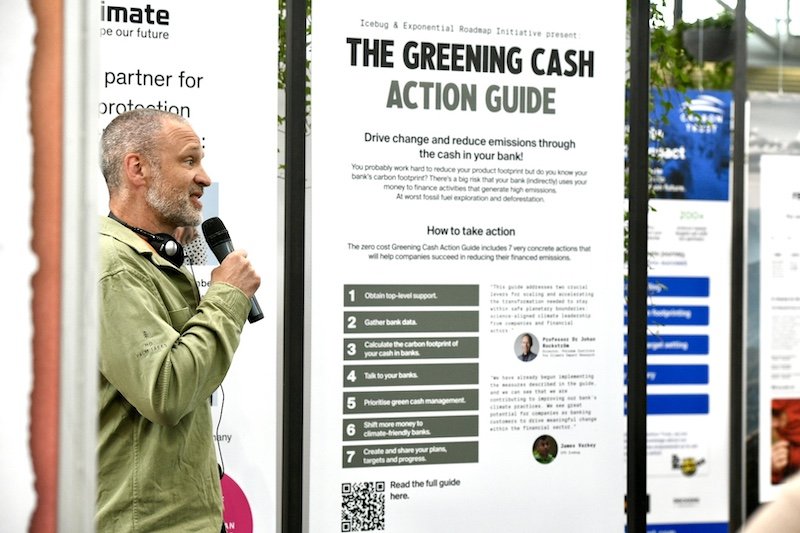
Icebug – and the “Greening Cash Action Guide”

Atomic – setting standards for the ski industry

International Down and Feather Bureau (IDFB)

FixDye – starting with Black

Sicomin - Pioneering Epoxy Adhesives

Stiftung myclimate – partner for climate protection

Carbonfact – Sustainability platform
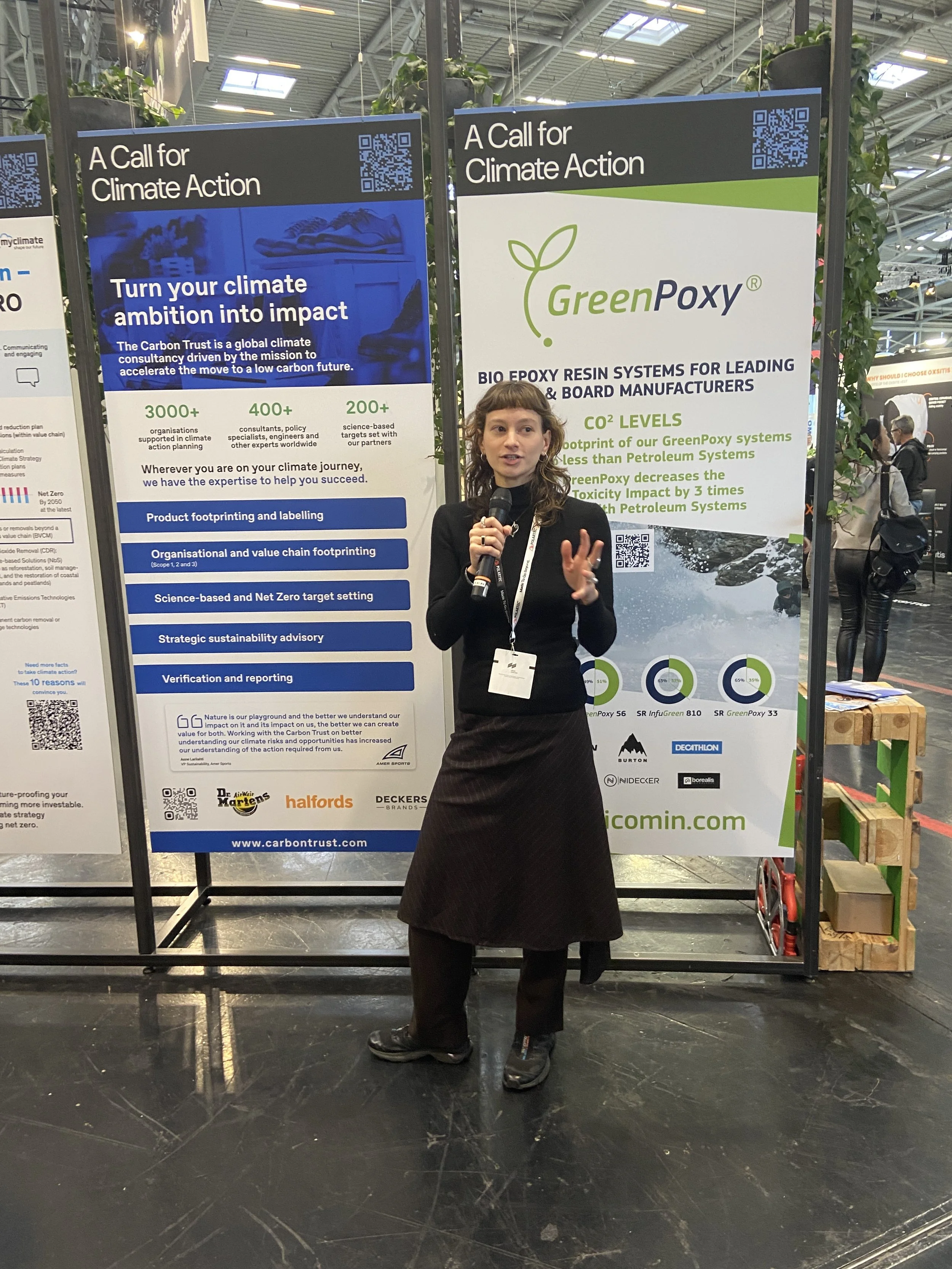
The Carbon Trust - building the business case for sustainability