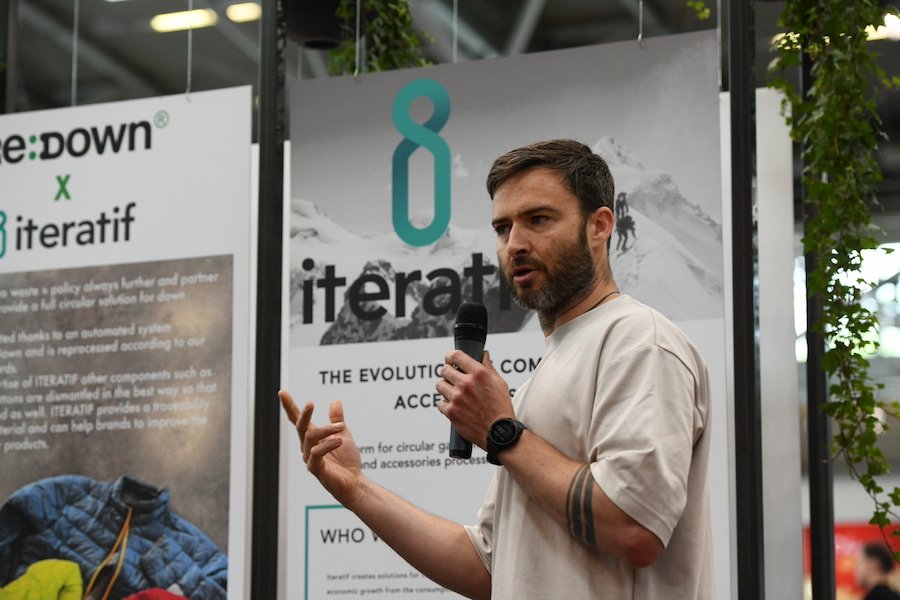
Second life: from waste to wonder
As industries shift toward circular practices, integrating recycled materials becomes crucial in meeting environmental goals and regulatory requirements. Explore the latest innovations in recycling technology and their role in building a sustainable, waste-free future.
The shift to a circular economy is no longer just a vision for the future; it’s becoming a necessary reality, especially for businesses looking to stay compliant with emerging EU regulations. As Europe moves towards net zero and sustainability goals, textiles have emerged as a critical focus area due to their massive waste generation and resource-intensive nature. If you want to ensure your business remains relevant and competitive in this new landscape, integrating recycled materials into your portfolio isn’t just a choice—it’s essential. (1)
The Ellen MacArthur Foundation has highlighted that the textile industry is one of the most wasteful, with clothing often used briefly and discarded. Most textiles still end up in landfills, with only a small percentage being recycled (2). However, innovative solutions like fiber-to-fiber recycling are emerging, offering businesses the chance to contribute to the circular economy, reduce waste, and support sustainability. By adopting these cutting-edge solutions, you can future-proof your business and contribute to broader global sustainability efforts. (3)(4)
Why should you care?
In Europe’s fast-evolving regulatory landscape, staying compliant with initiatives like the EU Strategy for Sustainable and Circular Textiles launched as part of the Circular Economy Action Plan (CEAP) is crucial (1). Regulations such as the EU initiative ‘Ecodesign for Sustainable Products’ (ESPR) emphasize that products must be designed with their entire lifecycle in mind. Companies are required to use materials that are durable, repairable, and recyclable, with a focus on reducing environmental impact both in production and during the use phase. Additionally to this, with the extended Producer Responsibility (EPR) Producers will cover the costs of management of textile waste, which will also give them incentives to reduce waste and increase the circularity of textile products – designing better products from the start (6). Beyond regulatory compliance, a swift realignment also offers the opportunity to take on a pioneering role in a growing market for sustainable products and responsible business practices.
Bonus: This strengthens brand image – as sustainability is increasingly becoming a decisive purchasing factor for consumers (5).
How can you actively shape tomorrow’s Circular Economy?
The eight solutions showcased at the Sustainability Hub at ISPO Munich 2024 are a prime example of how businesses can align with EU goals. These innovations are designed to reduce textile and material waste, helping your business stay ahead of the curve. From advanced recycling and dissembly technologies to recycled materials sourcing, these solutions allow companies to integrate circular practices and become active contributors to a more sustainable Europe.
Circularity is a top EU priority: keep materials in the loop. That puts design and material choice at the core of what comes next.
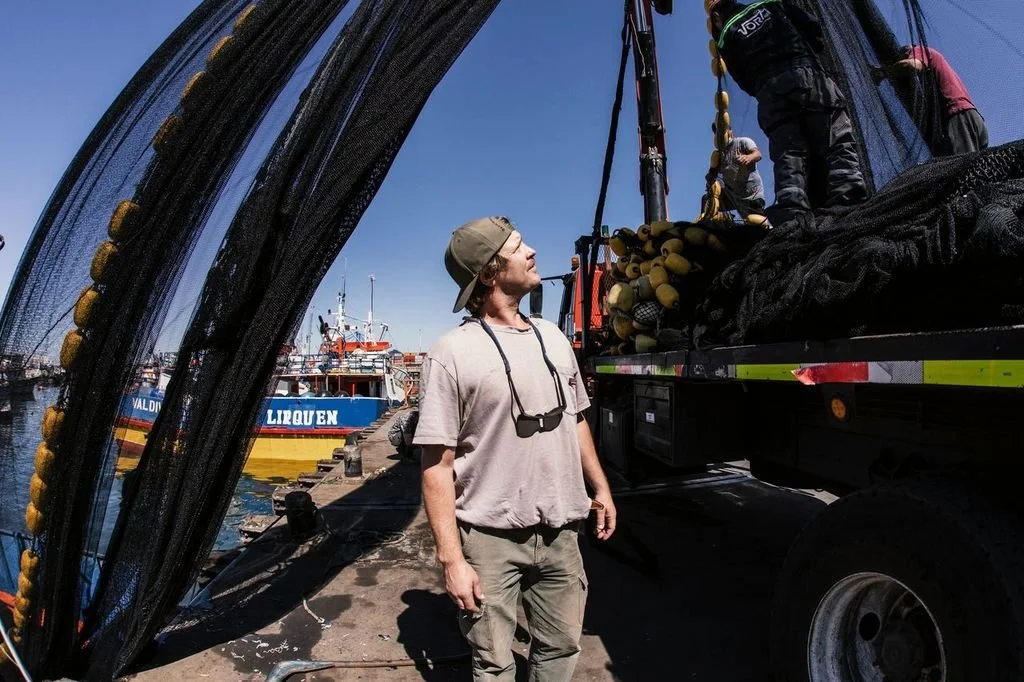
Bureo – makers of NetPlus 100 % recycled fishing nets
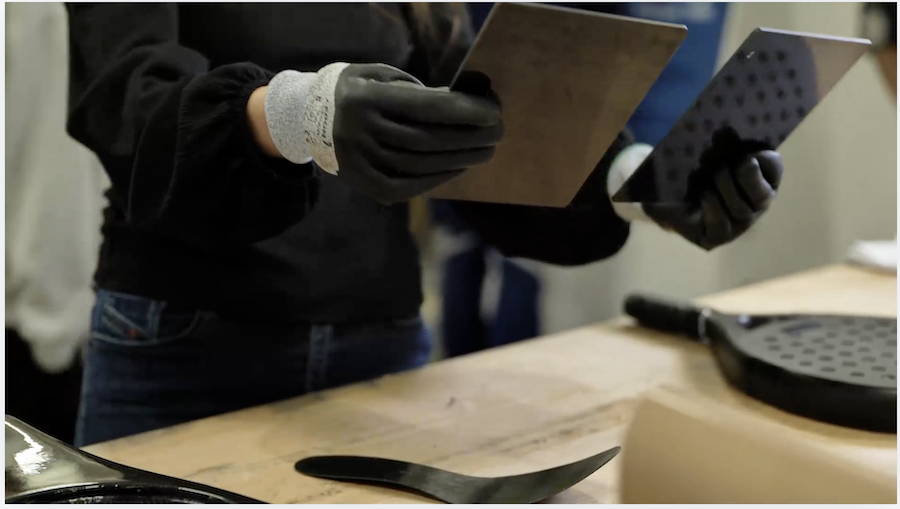
Closing the loop with Fairmat – transforming carbon fibre waste

Environmental-Compliance with Interzero

YKK – towards a more sustainable industry

Lavalan re Wool Insulation – recycled and natural
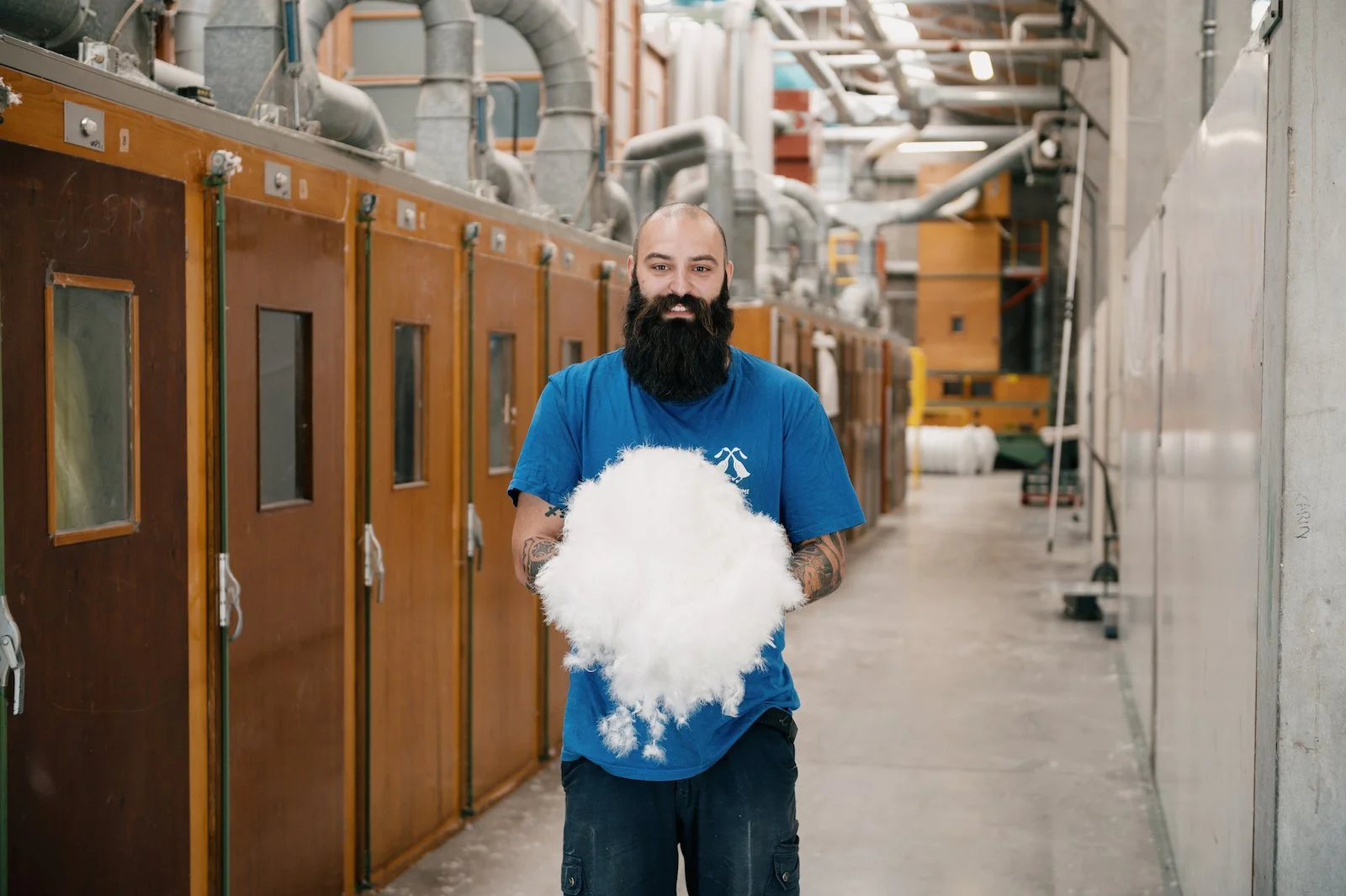
Minardi Piume – down craftsmanship
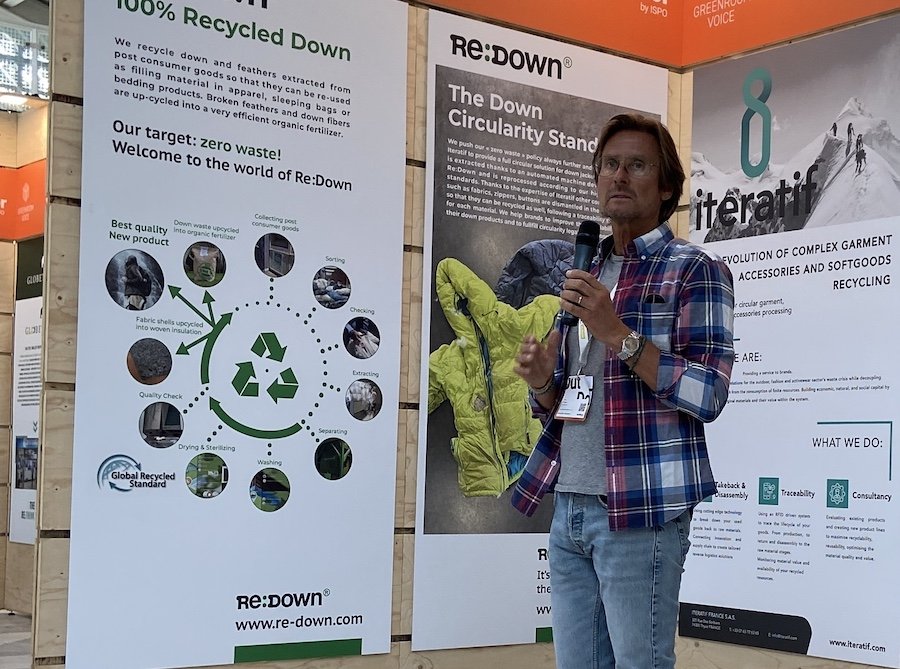
Re:Down – 100 % recycled down