Opens lens: tools for true impact
ISPO Munich 2024 –29. November 2024by Cira Riedel
By providing measurable data and fostering collaboration, impact tools lay the foundation for transparency and drive global change.
The power of impact tools
In an era where sustainability and social justice are non-negotiable, impact tools have become indispensable for fostering transparency and accountability in an increasingly reporting-oriented landscape. These tools empower industries to monitor progress, pinpoint challenges, and implement targeted actions based on measurable outcomes, such as labor metrics, environmental impact, and supply chain practices. By aligning with frameworks like the OECD guidelines and leveraging validated certifications, organizations ensure that their efforts are data-driven, credible, and consistent across borders.
Crucially, this aligns with EU legislation such as the Corporate Sustainability Reporting Directive (CSRD), which mandates transparent reporting on environmental and social performance, and the Corporate Sustainability Due Diligence Directive (CSDDD) and upcoming EU Forced Labour Regulation. These legislative frameworks provide a legal backbone that reinforces the role of impact tools in creating a unified standard of responsibility across industries.
Education as a catalyst for change
Education also plays a pivotal role in driving sustainability. Impact tools are not just about monitoring—they enable informed decision-making by fostering a deeper understanding among stakeholders, from businesses to consumers. Education helps bridge the gap between complex data and actionable insights, creating the foundation for a shared vision of responsibility.
Collaboration for systemic impact
Systemic change requires collaboration. Multi-stakeholder industry organizations bring diverse expertise to the table, helping companies avoid inefficiencies and redundancies. These organizations establish shared standards, prevent greenwashing, and enable collective action that scales sustainability initiatives. By integrating risk assessments, certification standards, and transparent labeling, these partnerships ensure that sustainability and social justice is not just an aspiration but a measurable reality.
Meet the Change-makers at ISPO Munich 2024
Step into the future of responsible business at the ISPO Munich 2024 Sustainability Hub, where seven visionary organizations are reshaping supply chain transparency and driving measurable progress in social and environmental impact. This is your chance to connect with the people behind the scenes, setting new standards for sustainability, explore actionable solutions, and gain the insights you need to scale transformative practices.
Looking to drive real change? Dive into expert-led resources like the bluesign Academy and Fair Wear Academy to navigate critical EU legislation such as the CSDDD and the newly implemented Forced Labor Ban. Strengthen your impact by partnering with leading tool providers like Cascale, Retraced, Oeko-Tex, and initiatives like Sympatex Digital Fabric Libary or Material Facts by Rab. Together, you can align your business with sustainable and equitable practices that deliver real change.
Green Stage – Social Impacts and Diversity: What are the next steps to prepare for EU-legislations?
Join GreenroomVoice on Wednesday the 4th of December at 17.00 pm to Dive into current and upcoming EU-legislation and its impact on your social and diversity strategies – regarding the gender dimension and inclusivity in your operations and supply chain partners with Panelists Pascale Moreau from Ohana Public Affairs, Camille Strippoli from SLCP and Mariette van Amstel from Fair Wear Foundation.
By turning measurable data into shared understanding and alignment —impact tools foster collaboration, transparency, and a unified standard of responsibility that drives real global change.
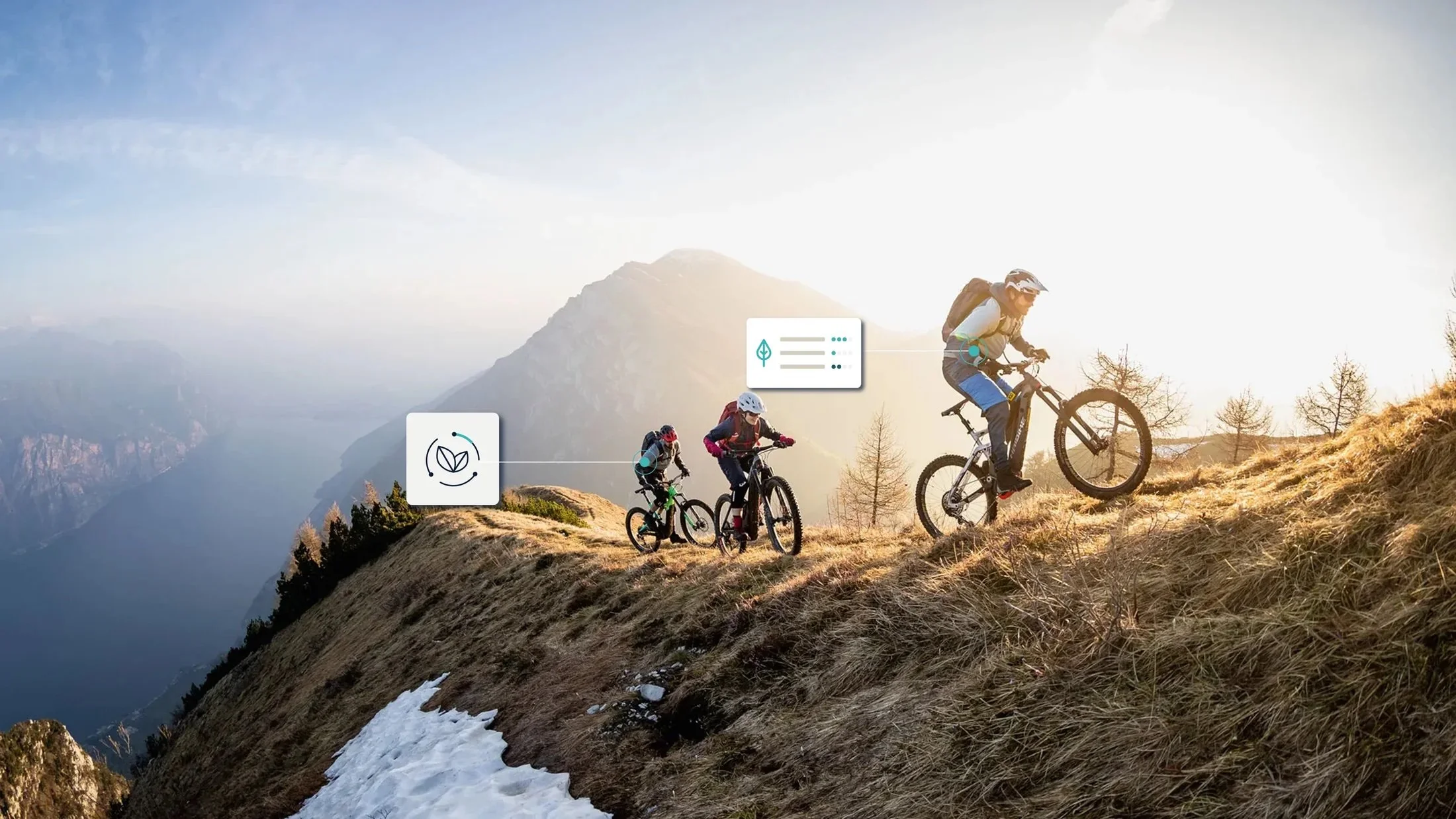
Retraced – driving transparency in global supply chains

bluesign – transparency in action

Cascale – a shared vision of an industry

Sympatex – Digital Fabric Library for sustainable material sourcing

Rab – The Material Facts Collective
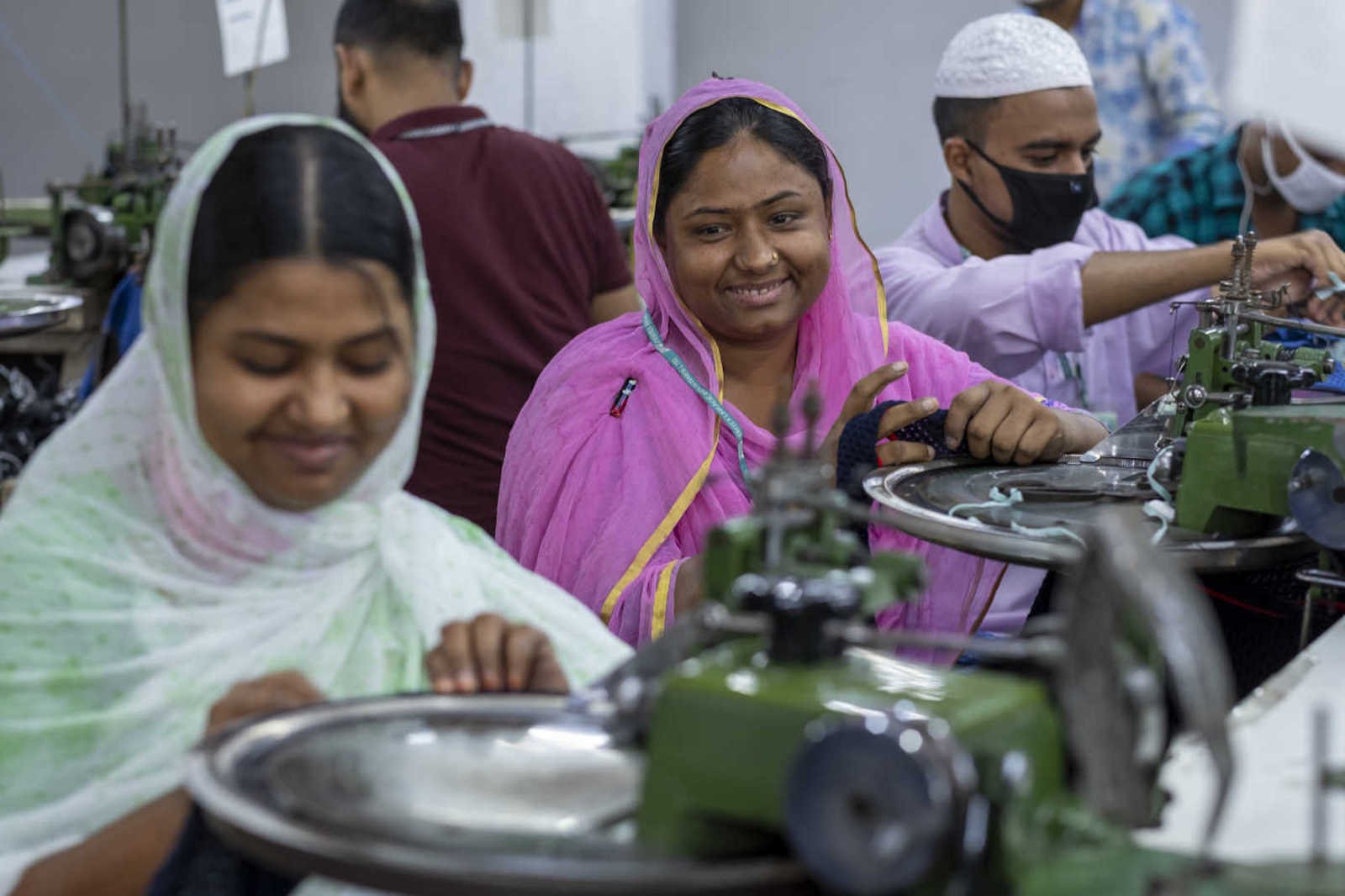
Fair Wear – empowering brands to do business responsibly