The Circular Revolution – Circular business models boost economic growth
ISPO 2024 –18. November 2024by Cira Riedel
Discover how circular business models are redefining sustainability and driving economic growth and why strategies like repair services and rental models are vital for a resilient, resource-efficient future.
As the global community grapples with resource scarcity and environmental challenges, the movement toward a circular economy has emerged as a beacon of hope.
New business models like repair services and product rentals are not only innovative but economically beneficial when thoughtfully implemented. These approaches align sustainability with profitability, proving that eco-friendly strategies and economic growth can go hand in hand. Studies underscore a tangible shift in consumer behavior, showing a growing trend toward valuing sustainability, durability, and eco-friendly practices. This change supports the economic viability and expansion of circular business models across various sectors.
Repair as a cornerstone of circularity
The EU’s Directive on the repair of goods marks a significant step for consumers and sustainability advocates. It requires manufacturers to support product repairability, extending product life and reducing waste. By extending the lifespan of items and facilitating accessible repairs, the EU aims to reduce waste and curb the relentless consumption cycle. An online repair platform set to launch by 2027 will make repairs easier to access, fostering a culture of reuse.
The shift to repair and rental models
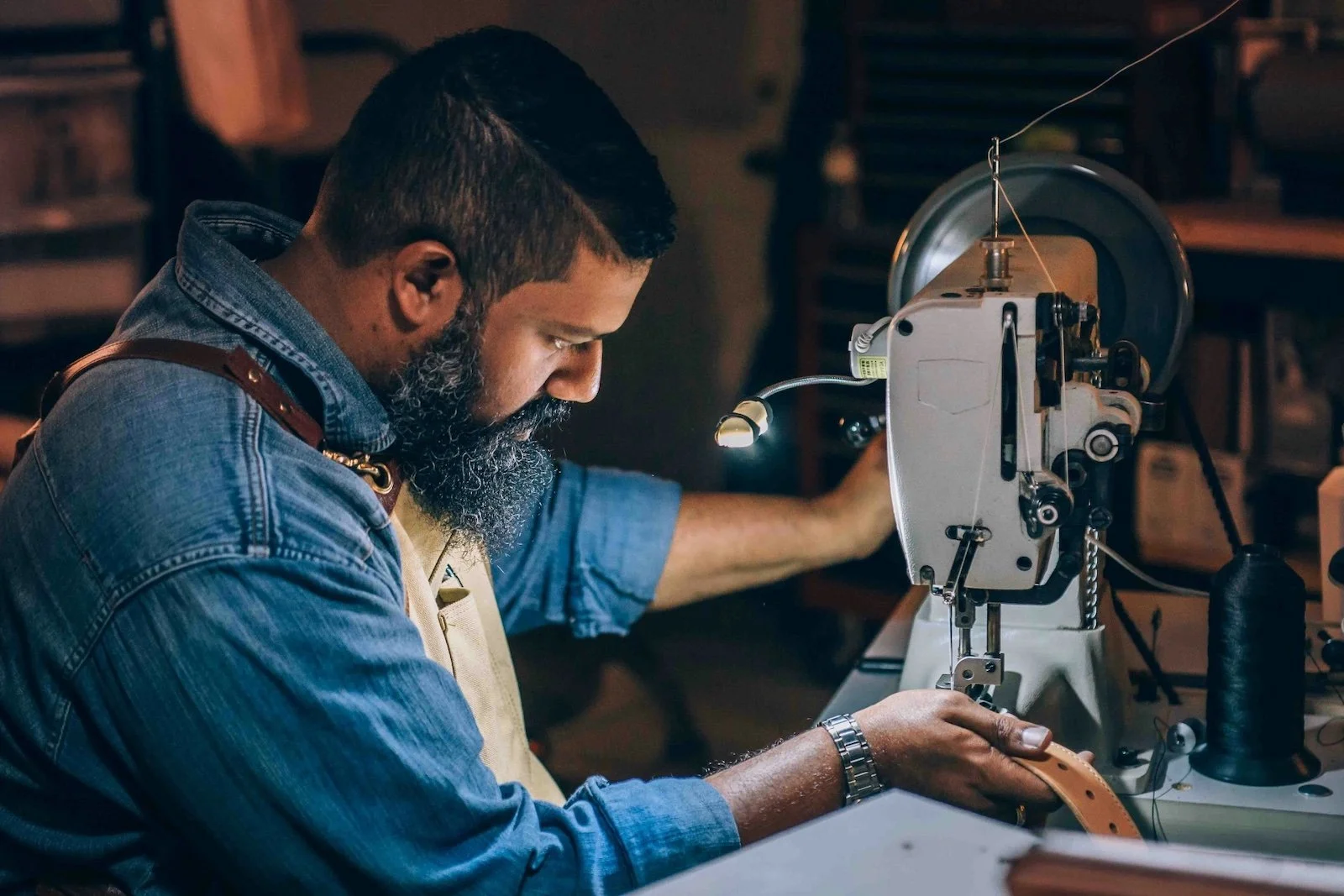
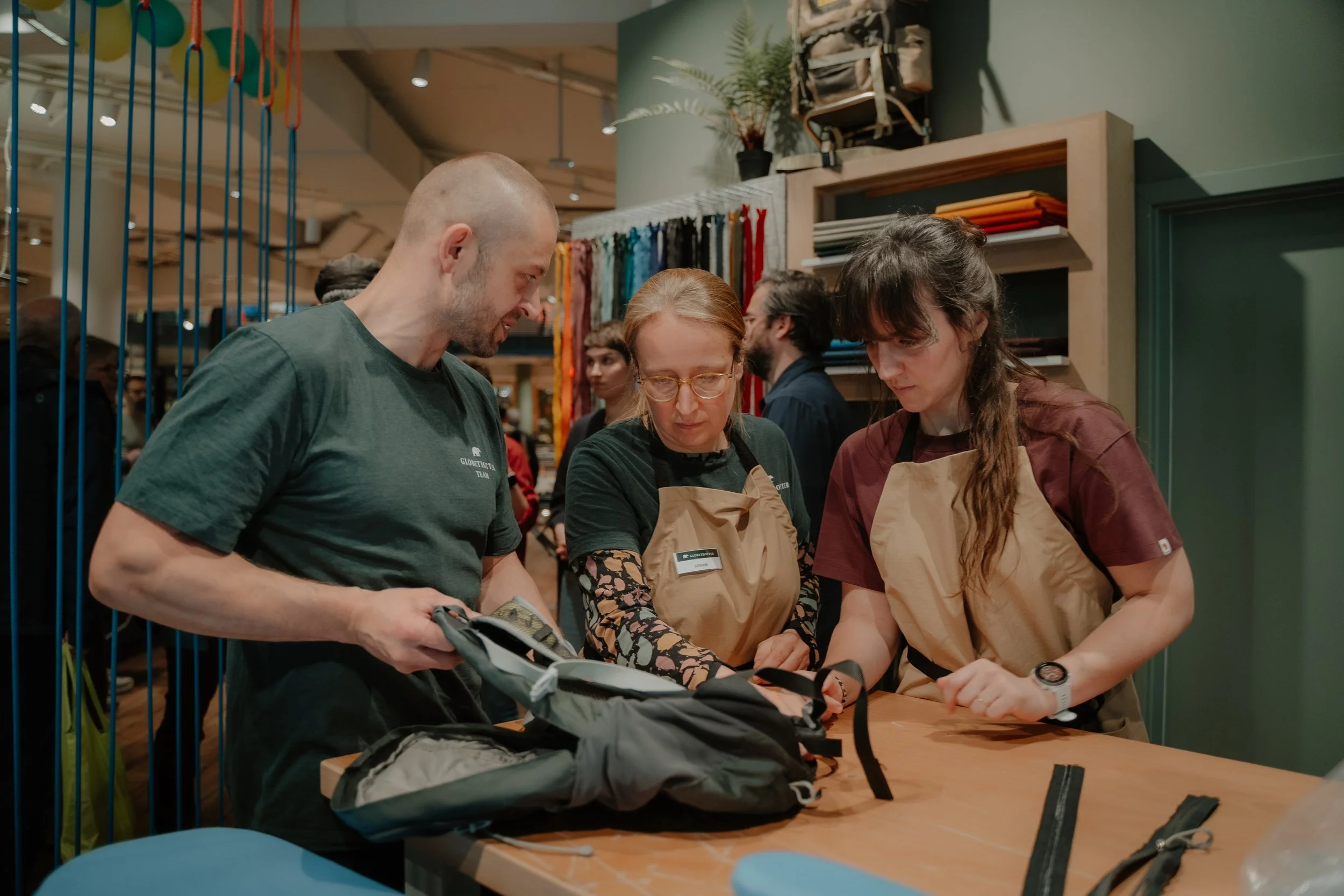
Repair, rental, and refurbishment businesses are setting new standards in the circular economy. Repair services breathe new life into existing products, saving resources and providing cost-effective alternatives for consumers. Rentals and leasing arrangements, on the other hand, ensure products are fully utilized without the need for widespread ownership, reducing manufacturing demands and promoting efficient resource use. These models are not only about practicality but about reshaping consumer habits and expectations for a more sustainable future.
Quality matters more than ever
Quality is the foundation of a successful circular economy. Durable, repairable products retain their value and are ideal for repair and resale. High-quality products offer longer lifespans, build brand trust, and meet the expectations of today’s environmentally conscious consumers. At the same time, they strengthen the growing second-hand market.
Experience circular solutions at ISPO Munich
For those eager to see the circular revolution in action, ISPO Munich offers a unique window into the future. The Sustainability Hub showcases four pioneering solutions that exemplify these business models, from repair services to high-quality product designs. Visitors can explore how these strategies are shaping modern commerce.